Brand
The business is not understood, differentiated or trusted at the level it should be.
MIHAILOVE – GLOBAL BRAND CONSULTANCY | BUSINESS TRANSFORMATION
MIHAILOVE operates as a long-term strategic business and brand partner for global enterprises and high-growth companies, leading growth, transformation, and long-term commercial impact.
We combine advanced, integrated business strategies with our signature approach to brand development to build stronger, more competitive organisations.
We define the commercial strategy, business model, market position, and growth systems required to build sustainable enterprise value.
We build integrated brand systems that shape positioning, perception, experience, market relevance, and long-term brand value.
We translate strategy and brand into high-impact creative systems, campaigns, content, design, and production.
We redesign the internal systems, structures, decision models, and organisational capabilities required to execute strategy effectively.
We design intelligent business systems that connect strategy, operations, data, automation, and decision-making.
We develop the leadership, organisational capability, and transformation skills required to execute change and sustain performance.
The question is whether your business and brand are evolving with them.
The strongest organisations operate as connected systems. Strategy, growth, operations, technology, brand and execution all influence one another, so we look across the organisation as a whole to understand what drives performance and what needs to move together.
We operate as your strategic partner, redefining how your business or brand is built, positioned, and experienced. From strategy and identity to execution at scale, every element is aligned to drive clarity, consistency, and long-term growth.
Transforming the way your business is built, perceived, experienced, operated and grown.
The business is not understood, differentiated or trusted at the level it should be.
Not enough of the right opportunities are entering the business consistently.
Interest exists, but too little becomes customers, revenue or larger opportunities.
Customers are not staying, returning, expanding or advocating strongly enough.
Processes, systems and workflows create friction, slowing execution and limiting scale.
Leadership, teams and capabilities are not fully aligned with where the business needs to go.
These challenges rarely exist in isolation. We identify the underlying constraint and connect strategy, brand, systems and execution around the outcome the business needs.
A new business, brand, product, service or proposition is entering the market. The organisation is establishing what it stands for, where it belongs and how it will create value.
The opportunity is clear. The challenge is creating the right foundation before entering the market.
The business has gained traction and is looking to increase demand, customers, revenue and market presence. What worked to establish the business now needs to support a more ambitious level of growth.
Growth is happening. The question becomes how to accelerate it with greater clarity, consistency and commercial focus.
Growth is increasing complexity. More customers, people, channels, partners and activity are placing greater demands on the way the organisation operates and delivers.
The business is getting bigger, but the structures and systems that worked before are beginning to feel stretched.
The organisation is moving beyond its existing boundaries — into new countries, markets, customer segments, categories or channels.
What works in one market or part of the business now needs to work across a broader and more complex environment.
The business is creating new sources of growth through additional products, services, propositions, brands or revenue streams. As the offer expands, the organisation itself becomes more complex.
Growth is creating more choices. The business needs clarity around what belongs where and how everything fits together.
The business has grown, but parts of the organisation are no longer performing as effectively as they could. Processes, systems, customer journeys, decision-making or execution may have become slower, fragmented or unnecessarily complex.
The opportunity is no longer simply to grow more — it is to make the organisation work better.
The business has evolved, but the way it is understood has not. Its ambition, offer, audience, competitive environment or value may now be significantly different from when the brand was originally created.
The business has changed. Market perception now needs to catch up.
The organisation is entering a more fundamental period of change — rethinking how it competes, operates, creates value or prepares for the future.
Incremental improvement is no longer enough. Significant parts of the business need to evolve together.
We begin by understanding the organisation as it really operates — the business, brand, market, customers, teams, systems, technology and performance. The objective is to understand the full context before deciding what needs to change.
We establish what needs to change, where the greatest opportunity exists and what the organisation needs to become. This creates a clear strategic direction and establishes the priorities that everything else must support.
We translate the direction into a clear architecture. Priorities, roles, decision-making, governance, operating models and the relationship between different parts of the organisation are structured around the strategy.
We develop the strategic, brand, commercial, operational and technological systems required to turn the direction into something tangible, usable and capable of operating across the organisation.
We integrate the strategy and systems into the organisation — across teams, workflows, customer experience, technology and execution — so the new direction becomes part of how the business actually operates.
We measure what is working, identify where performance can improve and evolve the system as the organisation, market and priorities continue to change.
Global Brand Consultancy
& Business Strategy Firm
© All Rights Reserved.
Built for the Legacy.
More sales, stronger conversion, higher-value clients, larger contracts, new market opportunities and improved commercial performance.
Greater brand awareness, stronger reputation and credibility, clearer positioning and differentiation, higher perceived value and a stronger brand experience.
Greater efficiency, stronger systems, better leadership alignment, faster execution and increased capability to scale and transform.
Our goal is to create lasting commercial, brand and organizational value across every organisation we partner with.
We partner with enterprise, institutional, consumer, industrial, and high-growth organisations across sectors where strategy, production and commercial execution must work together.
We work across industries, markets and business models where complexity requires an integrated approach.
The principles that shape how we advise, decide, build and deliver — across every client relationship, engagement and transformation programme.
The principles behind how we work — with discipline, clarity, trust and long-term responsibility.
We build integrated systems that help organisations strengthen brand position, create commercial clarity, support scalable growth, and drive long-term business and brand transformation.
Brand launch and identity development
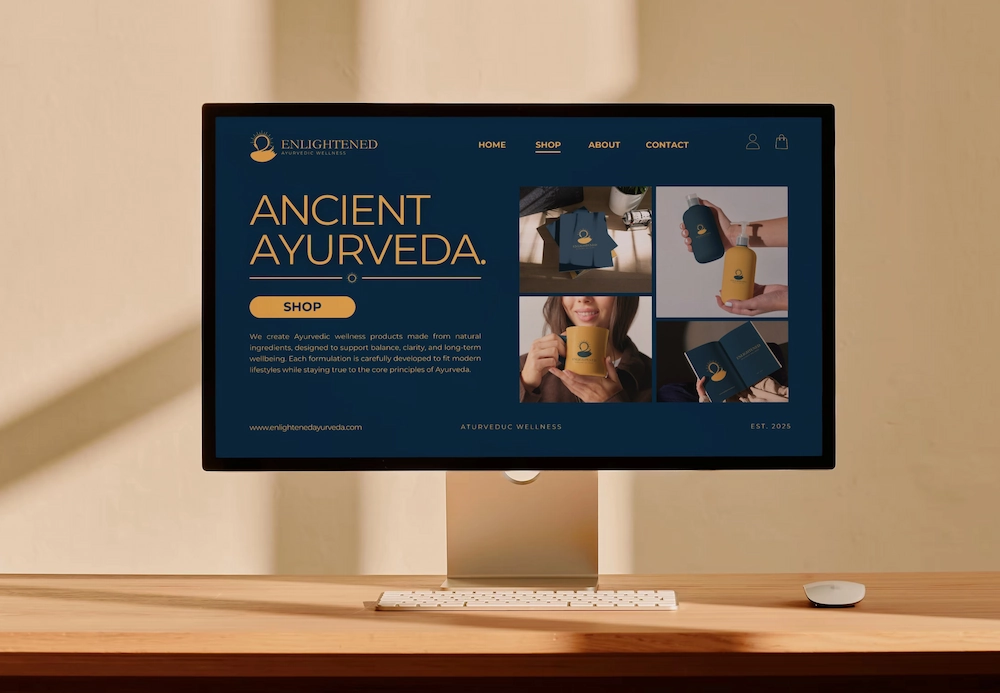
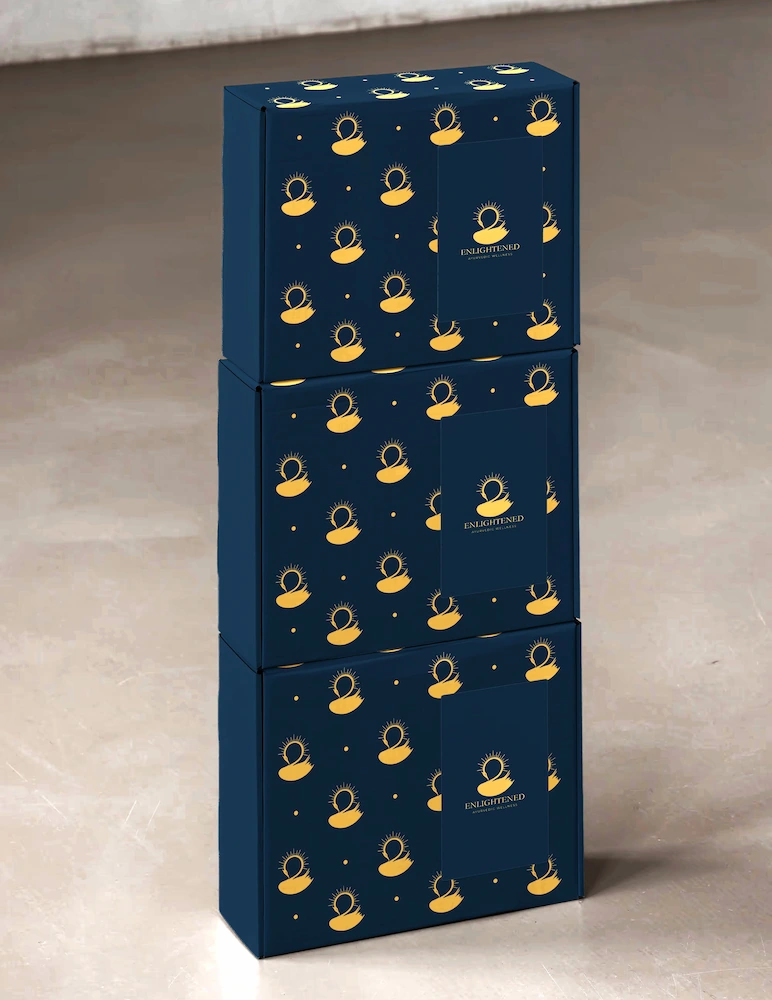
Project: Brand Launch & Identity Development


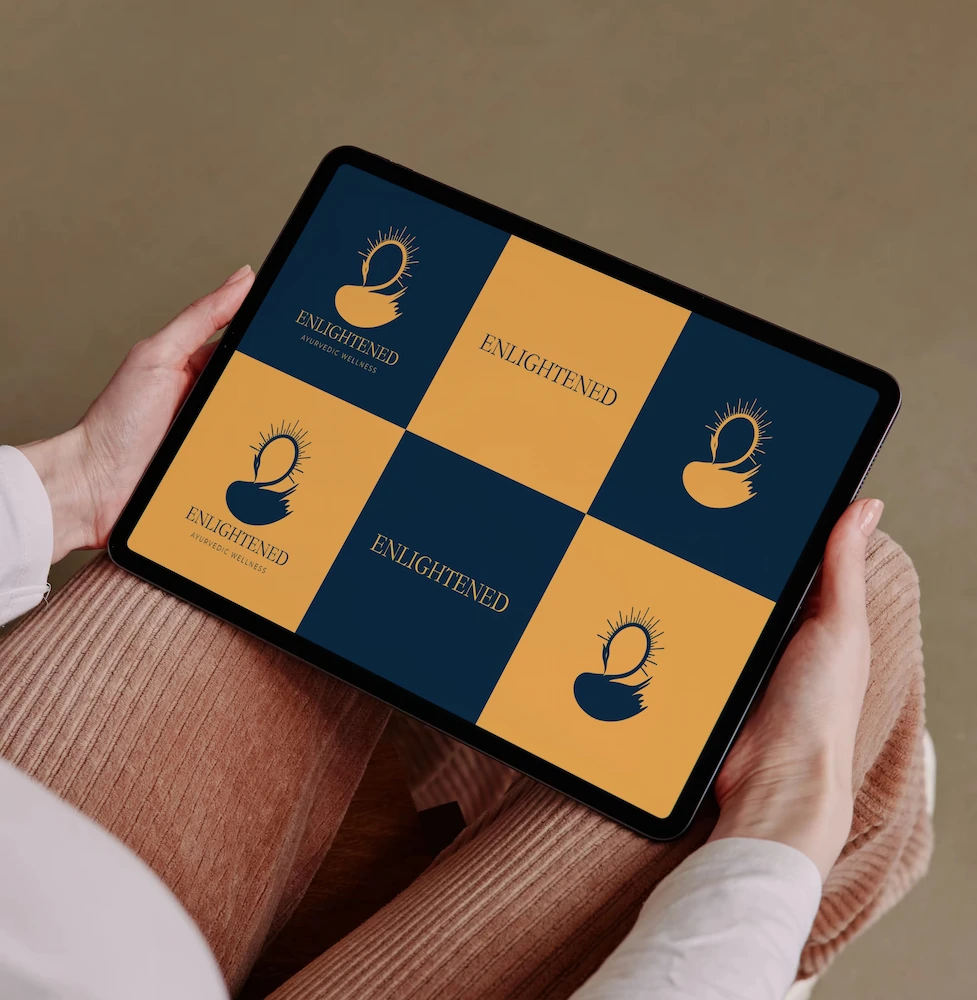
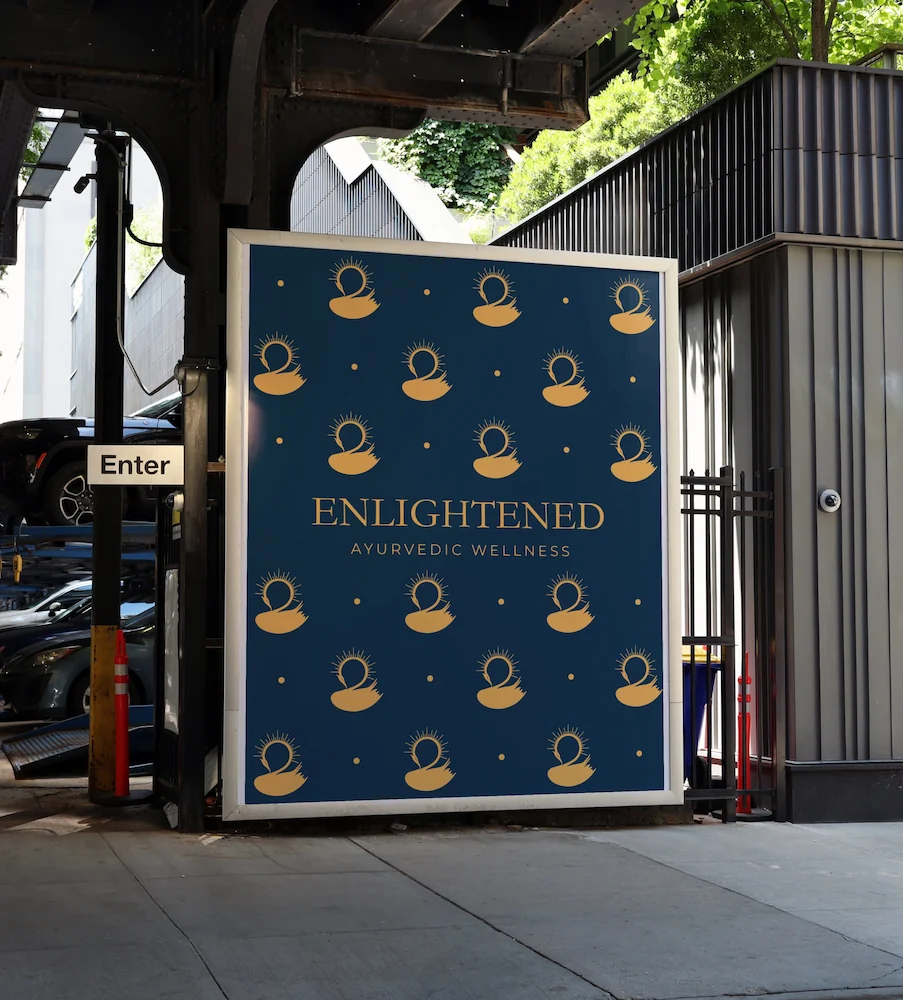
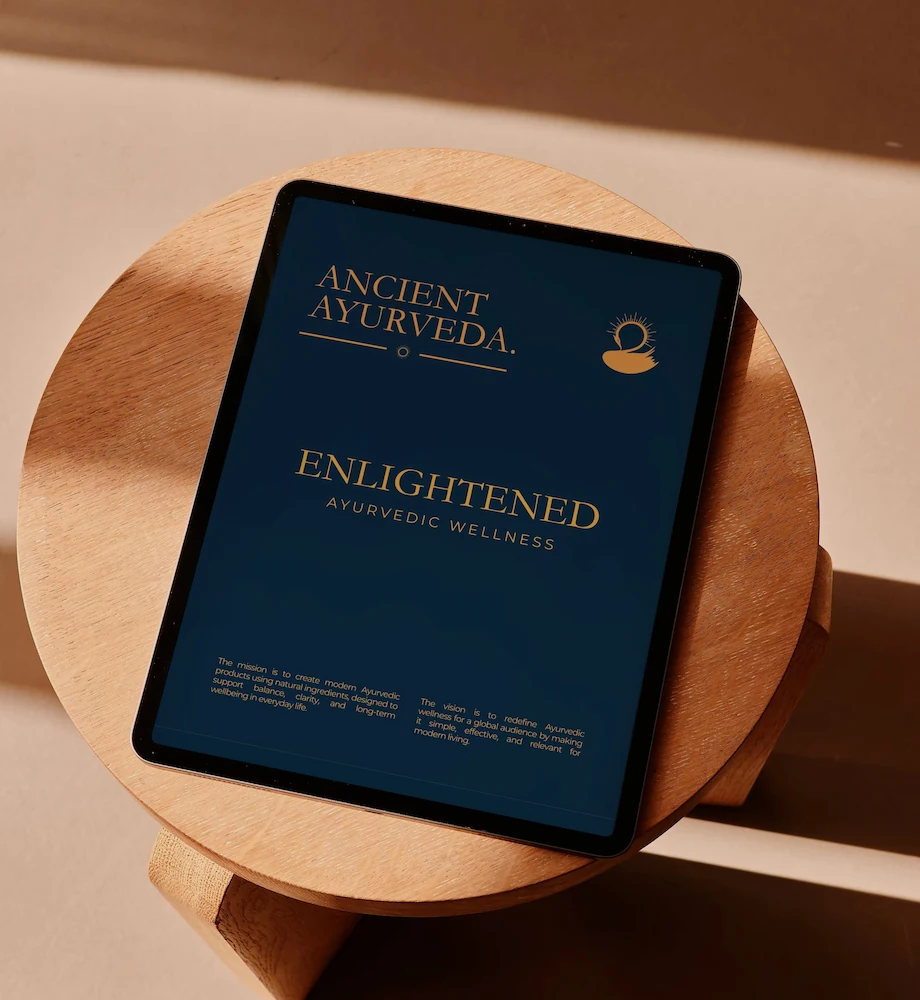
Enlightened was developed as an early-stage beauty and skincare brand requiring a clearer launch foundation, stronger premium perception, and a more resolved identity system for rollout.
The result was a more resolved launch-ready brand system with stronger visual clarity, improved premium perception, and a more coherent identity foundation ready to support future packaging, content, web presence, and market entry.
A clear identity foundation established for rollout.
A stronger market-facing direction for credibility and perception.
A more coherent system across identity and launch expression.
Prepared for future packaging, content, web, and campaigns.
MIHAILOVE brought clarity, direction, and a premium visual standard to the brand at a crucial stage. The identity felt more refined, more intentional, and much stronger as a launch foundation.
Business growth & commercial systems
Project: Growth & Commercial System Development
Majd required a more structured growth system to support expansion, improve commercial performance, and align internal operations with long-term real estate development goals.
A more structured and scalable growth system enabling clearer commercial execution, improved market positioning, and long-term development alignment.
Clear direction for expansion.
Improved decision-making framework.
Better internal coordination.
Prepared for long-term growth.
MIHAILOVE brought a structured and strategic approach to our growth. The clarity in direction, commercial systems, and execution helped us operate with greater confidence and long-term scalability.
Corporate brand system and perception development
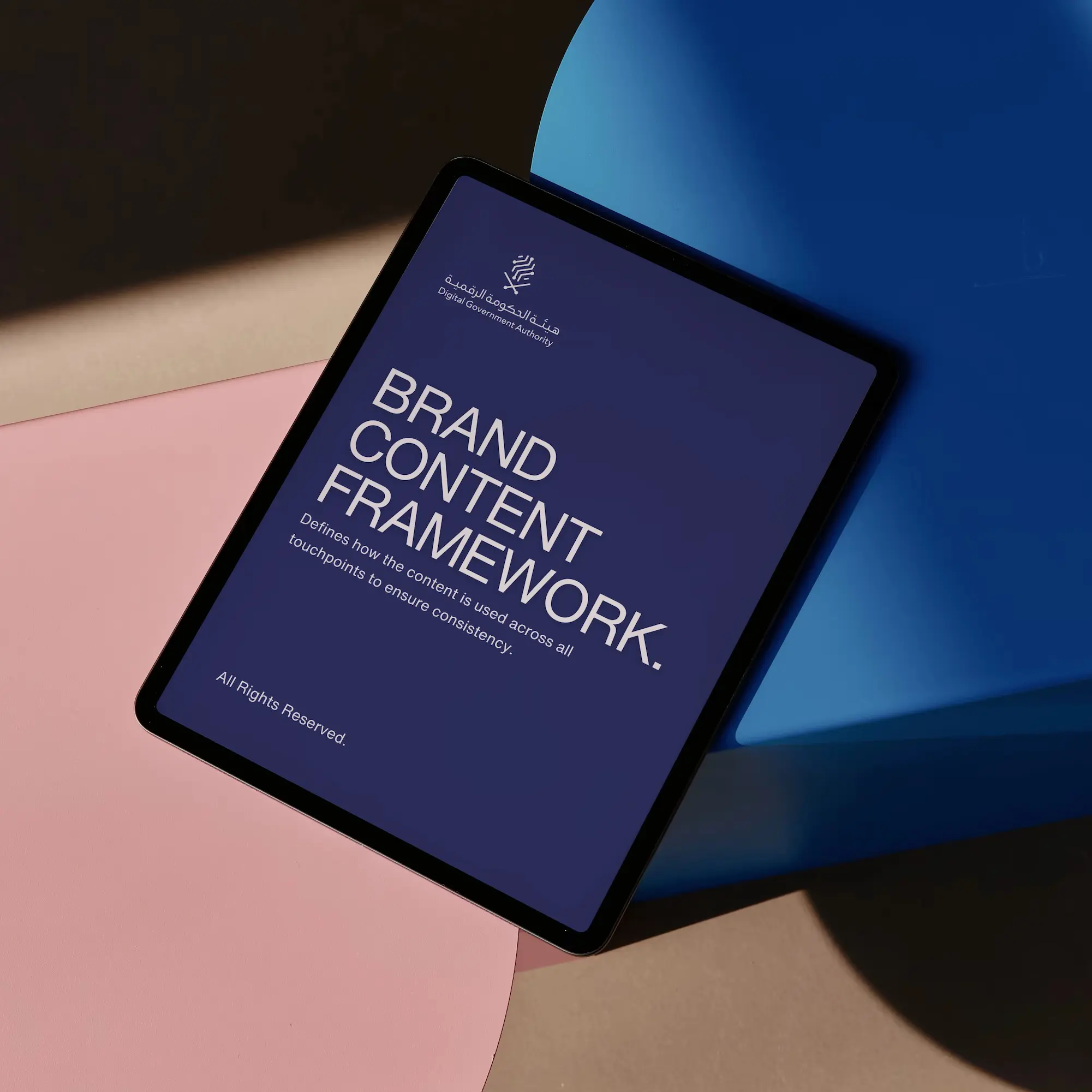
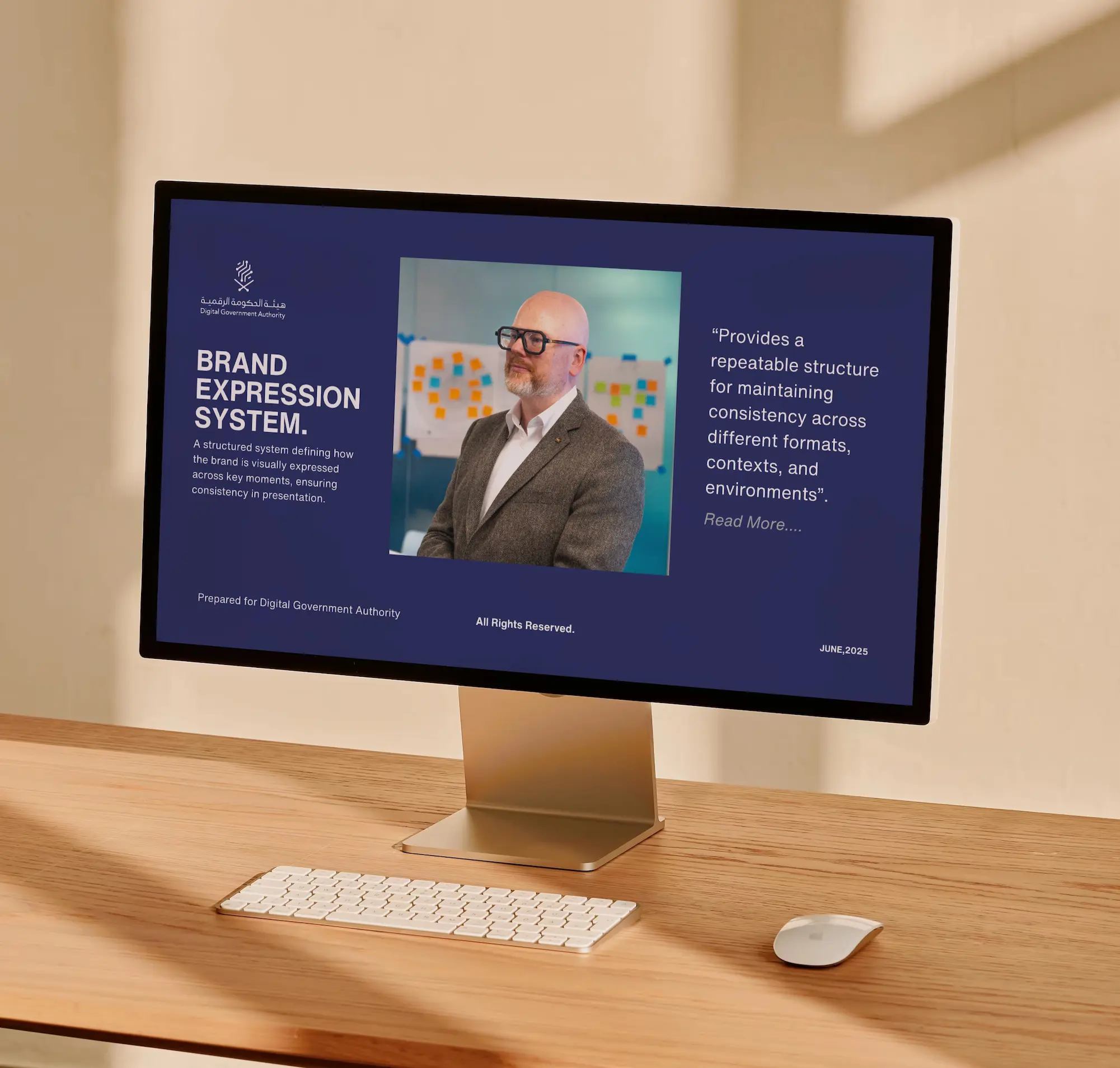
Project: Corporate Brand System & Perception Enhancement
The Digital Government Authority required a more structured and consistent brand presence across corporate communication. The objective was to strengthen credibility, clarity, and institutional perception in line with government-level standards.
The result was a more consistent, credible, and refined corporate brand presence, improving public-facing perception and aligning communication with high-level institutional standards.
More aligned and controlled corporate communication.
A more professional and trustworthy institutional presence.
Clearer, higher-quality representation across outputs.
Outputs aligned with government-level standards.
The work brought a higher level of consistency and professionalism to our communication. The outputs aligned well with institutional standards and strengthened overall brand perception.
Content production system for institutional communication
Project: Content Production System & Video Execution Framework
The HR Society required a more structured approach to content in order to improve communication consistency and elevate the quality of their presence across digital platforms. The focus was on building a repeatable video production system rather than isolated outputs.
The HR Society achieved a more structured and professional content presence, with improved consistency and a scalable production approach. The system enabled more efficient execution while elevating the perceived quality and credibility of their communication.
A repeatable framework for consistent video output.
More aligned and controlled communication across content.
Elevated visual and narrative standards.
Ability to produce content more efficiently over time.
The structure and clarity MIHAILOVE brought to our content significantly improved how we present ourselves. The output became more consistent, more professional, and much easier to manage across our channels.
We have successfully delivered brand, marketing, and creative work across multiple industries, partnering with global organisations to bring clarity, precision, and execution to every engagement.
Our team has had the exclusive opportunity to work with global brands and international organisations.
We create brand campaigns designed to shape perception, build relevance, and drive long-term impact, combining strategy, creative direction, and high-end execution to ensure every campaign delivers clarity, consistency, and measurable brand value.
MIHAILOVE has been officially recognised as an
innovative UK business
through endorsement by
Innovator International.
The recognition reflects our innovation-led business model,
built around proprietary strategic systems,
original methodologies and practical implementation
across real client engagements.
Recognition of the innovation, systems and methodologies behind how MIHAILOVE approaches business and organisational transformation.
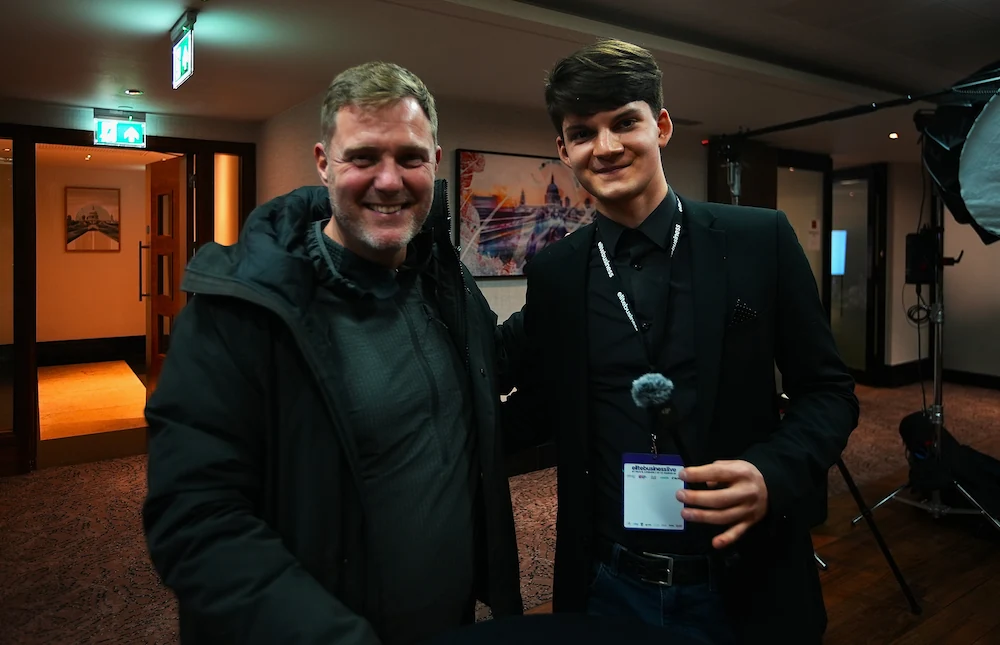
Following coordination with Simon Squibb’s team, MIHAILOVE had the opportunity to interview Simon and explore his perspective through a series of questions.
Throughout the experience, Simon expressed his appreciation for the professional approach, the interaction and the personal attention brought to the interview, including the thoughtful gift presented to him.
A strategic guide for leaders who need to reposition, realign and rebuild a brand around the business it has become — and the market it intends to lead.
Brand transformation is not a redesign exercise. It is the deliberate realignment of a company's strategy, market position, brand system and customer experience so the organisation can compete more effectively, grow with greater clarity and present a stronger value proposition.
For many organisations, the need for transformation appears gradually rather than suddenly. The company grows. It enters new markets. It adds services. It acquires businesses. Leadership changes. Customer expectations increase. The organisation becomes more sophisticated.
But the brand often remains anchored to an earlier version of the company.
The result is a widening gap between what the organisation has become and what customers, employees, investors and the wider market believe it to be.
That gap affects considerably more than appearance. It can make sales conversations longer. It can make premium pricing harder to justify. It can create confusion between services. It can weaken internal alignment. It can make different markets describe the company differently.
Brand transformation closes that gap. Done properly, it connects business ambition with market reality and translates that connection into stronger positioning, clearer narrative, better identity, more coherent customer experience and a practical system for managing the brand over time.
Transformation should respond to a commercial, organisational or market change — not simply a desire for a different visual style.
The objective is to reshape how the organisation is understood, valued and differentiated by the audiences that matter.
Leadership, marketing, sales, experience, culture and operations need to reinforce the same strategic direction.
A transformed brand needs ownership, governance, decision rights and practical tools that remain useful after launch.
A brand is not simply a logo, visual identity or communications campaign. It is the accumulated meaning people attach to an organisation.
That meaning is shaped by what the company says, what it delivers, how its people behave, what customers experience, what employees believe, what the market expects and how consistently those signals reinforce one another.
Brand transformation is the structured process of changing that meaning.
It asks a fundamental strategic question: What should this organisation stand for now, and what must change for the market to believe it?
This is why brand transformation is broader than rebranding. A rebrand may involve a new visual identity, messaging platform, website or communications system.
Brand transformation may include all of those elements, but it begins earlier and reaches further. It considers business strategy, competitive context, customer expectations, commercial priorities, portfolio structure, employee alignment and customer experience before deciding how the organisation should express itself.
A transformed identity without a transformed strategic foundation is usually cosmetic. Sustainable brand transformation changes not only how the company looks, but how it is understood, chosen, experienced and managed.

Businesses rarely stop evolving. They add services, enter markets, hire more senior talent, raise capital, acquire competitors, change operating models, develop new technology or begin serving customers with very different expectations.
Brand systems, however, are often treated as fixed assets. The same positioning, messaging, visual language, website architecture and sales story can remain in place while the underlying organisation changes dramatically.
Initially, this creates friction rather than obvious failure.
Sales teams need increasingly long explanations. Prospects recognise one service but not the wider capability. Different regions describe the company differently. Marketing generates more communications but less clarity.
Leadership may increasingly depend on personal explanation because the brand itself is no longer doing enough of the strategic work.
The company may now serve larger clients, operate across more markets or offer a wider range of capabilities while the market still sees it through an older and narrower lens.
Growth creates complexity. New services, products and divisions accumulate until the organisation becomes difficult to describe.
Strong salespeople can often overcome weak positioning through conversation, but that does not scale across an organisation.
When buyers struggle to understand meaningful differences between competing offers, price becomes an easier basis for comparison.
Design is not the strategy, but it influences first impressions of confidence, quality, relevance and organisational maturity.
If leadership, sales, marketing, recruitment and regional teams explain the company differently, the strategic centre is unclear.
Expansion tests whether the brand can travel and remain relevant without fragmenting.
Portfolio growth can create duplicated propositions, overlapping services and unclear relationships between brands.
A premium position cannot survive if sales, digital experience, onboarding and service communicate something different.
If the answer changes depending on which executive is asked, alignment should happen before major creative development.
Effective transformation moves through a sequence. Each stage reduces uncertainty before the organisation moves into the next strategic or creative decision.
Understand the business, customers, market, competitors, commercial priorities and current brand equity.
Clarify ambition, audience, value proposition and the role the brand needs to play.
Establish a credible and distinctive position with a clear reason to choose the organisation.
Build the narrative, message architecture, proof points and language.
Translate strategy into a distinctive visual and verbal system.
Align digital, sales, service, content and other priority touchpoints.
Introduce the direction through leadership, internal rollout, training and launch.
Protect coherence through ownership, decision rights, standards and practical tools.
Rebranding and brand transformation are often used interchangeably, but they can describe very different levels of intervention.
A rebrand normally focuses on how an organisation presents itself. This may be entirely appropriate when the underlying strategy remains strong but identity, messaging or communications need to evolve.
Brand transformation is more appropriate when the underlying meaning of the organisation needs to change.
The most important output of a brand transformation is not a logo or campaign line. It is clarity about the position the organisation intends to occupy in the market and the evidence required to make that position credible.
Strong positioning sits at the intersection of customer value, organisational capability, competitive context and a territory the business can credibly occupy over time.
Real-world positioning therefore requires choices. An organisation cannot simultaneously lead with every possible advantage.
Leadership has to decide what matters most. That decision creates strategic focus.
“The objective is not to say more. It is to make the organisation easier to understand, harder to confuse and more valuable in the mind of the market.”
MIHAILOVE / Strategic Brand PrincipleOne of the most practical tests of a transformation strategy is to compare the intended position with the actual customer journey.
Imagine an organisation repositioning itself as premium and highly responsive. A new identity will not create that perception if enquiries take days to answer, proposals are inconsistent, onboarding is confusing and account management feels impersonal.
Equally, a company may want to position itself as innovative while its digital experience and internal processes feel slow and outdated.

Transformation exposes those contradictions.
If the logo disappeared from the experience, would a customer still recognise the position the organisation is trying to own?
One of the clearest tests of transformation is whether a salesperson can explain the business more clearly after the programme than before it.
If the organisation has invested in strategy, positioning and identity but the sales team still relies on old decks, individual explanations and inconsistent proposals, the transformation has not reached the commercial system.
Teams may require a revised corporate narrative, clearer proposition architecture, updated presentations, stronger proof points, case studies, proposal frameworks and guidance for adapting the story to different audiences.
Marketing needs the same clarity. A transformed position should influence campaign priorities, thought leadership, content, search strategy, website structure and demand generation.
One of the most common weaknesses in transformation programmes is treating launch as the end of the work.
A new identity is introduced. Files are distributed. A website goes live. But the organisation has not changed how everyday decisions are made.


Sales needs to understand how the proposition changes. Marketing needs message hierarchy and proof. Product teams need principles for evaluating new ideas. Regional teams need freedom to create local relevance without changing the central strategy.
Employees do not need to memorise a large brand manual. They need to understand what the new direction means for the decisions they make.
Governance is often misunderstood as approval control. Effective governance is broader.
It defines who owns strategic decisions, which elements are fixed, where teams can adapt, which tools are approved and when an issue should be escalated.
Without decision rights, one of two things usually happens. Every decision is sent back to a central team, slowing the organisation down. Or every market and team interprets the brand independently, creating fragmentation.
Good governance sits between those extremes.
Protect core positioning, central promise, key identity principles and strategically important brand assets.
Give markets enough freedom to adapt examples, channels and tactical execution.
Teams should know what they can decide, what requires consultation and what represents a strategic change.
Templates, libraries, examples and practical guidance reduce the need for constant policing.
Creative exploration begins before leadership agrees the strategic problem.
Positioning becomes broad enough to create very little meaningful differentiation.
The promise describes an organisation that service, people or systems cannot yet support.
Employees receive insufficient tools, guidance or training to implement the change.
Transformation becomes an event instead of an ongoing operating system.
Leadership cannot determine whether market, employee or commercial outcomes are improving.
Brand transformation should not be assessed primarily by whether stakeholders like a new identity.
The more useful question is whether the programme improves the conditions that influence growth.
Awareness, consideration, associations, search demand, differentiation and preference.
Pipeline quality, conversion, win rate, pricing, cross-sell and revenue mix.
Understanding, trust, retention, advocacy and experience consistency.
Employee understanding, message consistency, adoption and decision-making clarity.
Establish a baseline before transformation. If you do not understand how customers, employees and commercial teams perceive the brand before change begins, demonstrating impact later becomes significantly harder.
Transformation forces choices that cut across functions.
Which markets matter most? Which customers should the company prioritise? What should the organisation become known for? Which capabilities should lead? How should acquired brands relate to the parent? Which legacy messages should disappear?
These decisions cannot be delegated entirely to marketing or design because they influence the direction of the organisation itself.
Marketing may coordinate the programme. Brand teams may manage the system. Consultants may provide structure, research and specialist expertise. But leadership must own the strategic choices.
There is no universal transformation timeline. A focused programme for a single-market organisation with a small leadership team is fundamentally different from transforming a multinational group.
A better approach is to plan around stages. Diagnosis needs enough time to remove uncertainty. Strategy needs to be resolved before identity development accelerates. Activation planning should begin before launch, not after it.
Research, stakeholder alignment, market context, brand audit and opportunity definition.
Positioning, value proposition, architecture, narrative and leadership decisions.
Identity, messaging, customer experience principles and implementation tools.
Internal rollout, launch, training, governance, adoption and measurement.
Organisations frequently start with: “We need a new brand.” “We need a new website.” “Our identity feels dated.”
Those observations may be correct, but they normally describe symptoms.
A stronger starting point is to identify why the current system no longer supports the organisation.
Growth, new markets, acquisitions, customers, leadership, competition or business model.
Sales, recruitment, pricing, positioning, customer understanding or internal alignment.
Define desired market and business outcomes before deciding what should change visually.
Identify choices that define the future direction of the organisation.
Brand transformation is the strategic process of realigning a company's market position, value proposition, narrative, identity and experience around the organisation it has become and the future it wants to create.
Rebranding normally focuses primarily on how a company presents itself. Brand transformation can additionally involve positioning, portfolio architecture, value proposition, customer experience, internal alignment and governance.
Common triggers include major growth, international expansion, moving upmarket, mergers and acquisitions, changing business models, weak differentiation, inconsistent communication or new leadership.
No. The level of visual change should follow the strategic requirement. Some organisations need a complete redesign. Others require targeted evolution.
Brand, marketing, strategy or transformation teams may coordinate the work, but significant transformation normally requires executive sponsorship and leadership ownership.
Measurement should combine brand, commercial, customer and organisational indicators including awareness, consideration, differentiation, customer understanding, pipeline quality, conversion, retention and employee alignment.
No. The principles apply at different stages of growth. What changes is the complexity and scale of the programme.
The strongest brands are not simply recognisable. They are coherent.
What leadership believes, what employees communicate, what customers experience and what the market understands all reinforce the same strategic idea.
Without that coherence, complexity spreads. Markets interpret the business differently. Sales teams improvise. Marketing creates disconnected messages. Customer experience fragments.
Brand transformation creates an opportunity to reconnect those elements around a stronger strategic centre.
The identity matters. The language matters. The website matters. But they work because something more fundamental has become clear: what the organisation is becoming, why that matters and how the business intends to make the promise real.
MIHAILOVE works with leadership teams to diagnose the gap, define a stronger market position and build the strategic, verbal, visual and operational systems required to move the brand forward with clarity.
Discuss Brand Transformation
How complex organisations can build, evolve and govern brand systems that create market clarity, internal alignment and long-term competitive value at scale.
A strategic framework for building and evolving enterprise brands across markets, business units, customer groups and organisational systems without losing clarity or coherence.
Enterprise brand development is not primarily a design exercise. It is the creation of a strategic system that allows a complex organisation to remain clear, distinctive and coherent as it grows.
As organisations scale, brand complexity increases.
New products appear. New markets are entered. Business units develop their own priorities. Acquisitions introduce additional identities. Regional teams adapt communication. Sales and marketing create new messages.
Without a strong enterprise brand system, those changes can gradually weaken the clarity of the organisation.
The problem is rarely that teams are not producing enough.
The problem is that different parts of the organisation begin producing different versions of what the brand means.
Enterprise brand development creates the strategic, architectural, verbal, visual and governance systems required to manage that complexity.
Connect brand development with enterprise strategy, commercial priorities and future growth.
Define what the enterprise should be known for across customers, markets and stakeholders.
Translate strategy into architecture, narrative, identity, experience and operating principles.
Give teams the tools and decision rules needed to remain coherent without becoming rigid.
It connects business strategy with market perception.
It determines how the organisation should be understood.
How multiple offers relate to one another.
How customers experience the brand across different touchpoints.
How business units use the brand.
And how the system can evolve without becoming fragmented.
Enterprise brand development is the structured process of aligning positioning, architecture, identity, narrative, experience and governance around the future direction of the organisation.
Growth creates new requirements.
Product portfolios expand.
Regional teams develop local communication.
Acquisitions introduce inherited brands.
Business units create their own propositions.
Digital platforms multiply.
Internal teams solve immediate communication problems in slightly different ways.
Individually, these decisions may be reasonable.
Collectively, they can create fragmentation.
Enterprise brand development creates a shared system capable of absorbing change without losing strategic clarity.
Enterprise brand development should begin with strategic context.
Where is the organisation growing?
Which markets matter most?
Is the business moving upmarket?
Are new capabilities becoming strategically important?
Are acquisitions changing the portfolio?
Does leadership want to consolidate or diversify?
The brand system should be designed around where the enterprise intends to go.
Large organisations often contain multiple truths.
They may operate across different categories, geographies and customer groups.
Each part of the organisation may have a different competitive environment.
The challenge is therefore not necessarily to make every business unit communicate identically.
It is to identify the strategic idea that should connect them.
“Enterprise positioning should create coherence without requiring every part of the organisation to become the same.”
MIHAILOVE / Enterprise Brand PrincipleEnterprise brand development should move from business alignment and market positioning through architecture, narrative, identity, activation and governance.
Connect brand priorities with business strategy, transformation and growth.
Understand current perception, complexity, inconsistency and market performance.
Define what the organisation should mean and why that position is credible.
Structure brands, products and business units around clear relationships.
Create the narrative, message hierarchy and verbal principles.
Build a visual and digital identity system capable of operating across markets.
Apply the system across marketing, sales, digital and organisational touchpoints.
Establish ownership, standards and tools that protect coherence over time.
As portfolios expand, naming and structural decisions can become increasingly important.
Should business units operate under one masterbrand?
Should acquired brands remain visible?
Should product brands retain independent equity?
Which relationships need to be explicit?
Which complexity should be removed from the customer?
The objective is not simply to create a tidy diagram.
The objective is to make the portfolio easier to understand, manage and grow.
Enterprise narratives should create a common foundation for communication.
They should clarify:
What is changing in the market.
What the organisation believes.
What value it creates.
Why its capabilities matter.
What makes the organisation different.
And what evidence supports those claims.
The narrative then becomes a source system for marketing, sales, leadership and employer communication.
A rigid identity system may appear consistent but become difficult to use.
A system with too much flexibility can become visually fragmented.
Enterprise identity therefore requires controlled variation.
Typography.
Colour.
Layout.
Photography.
Motion.
Digital interface behaviour.
These elements should form a coherent visual language rather than a collection of isolated assets.
The website makes a promise.
Sales reinforces it.
Service delivery has to prove it.
Customer support has to reinforce it.
Product experience has to make it credible.
Brand development should therefore consider not only communication but also the moments where customers experience the organisation directly.
Governance should create distributed confidence.
Teams need to know:
Which elements are fixed.
Which elements can adapt.
Who owns strategic decisions.
Who approves exceptions.
Which templates should be used.
How new products or business units enter the system.
Strong governance protects coherence while allowing the organisation to continue moving at speed.
Enterprise brands often need to operate across different cultures, buying behaviours and competitive environments.
Localisation may therefore affect language, proof, channel, offer emphasis and communication.
But adaptation should happen within defined strategic boundaries.
The core position should remain recognisable.
The brand architecture should remain understandable.
The visual system should remain connected.
The enterprise should still feel like one organisation.
Visual redesign begins before the future positioning and business direction are clear.
Products and business units continue evolving without clear structural principles.
Governance depends on constant approval rather than clear systems and decision rights.
New assets are released without changing how teams communicate or make decisions.
Do priority audiences understand the enterprise, its relevance and its differentiation?
Are markets, business units and channels reinforcing one recognisable brand system?
Can internal teams use the brand confidently without constant central intervention?
Are relevant indicators such as conversion, win rate, pricing confidence or pipeline quality moving in the intended direction?
Commercial performance is multi-causal. Brand should therefore be evaluated as one component within the wider business and market system.
Leadership needs to define the future direction of the organisation.
Which markets matter.
What should be consolidated.
What should remain distinct.
Which acquisitions retain equity.
What the organisation wants to be known for.
What trade-offs are acceptable.
These are business questions with brand consequences.
That is why enterprise brand development works best when leadership, brand, commercial and operational teams make the critical decisions together.
New markets will emerge.
New products will be launched.
New technologies will change customer expectations.
New acquisitions may enter the portfolio.
The brand therefore cannot be treated as a static identity system.
It needs strategic principles strong enough to preserve meaning and flexible enough to support future growth.
Enterprise brand development is ultimately the creation of that operating system.
Enterprise brand development is the structured process of aligning brand strategy, positioning, architecture, narrative, identity, customer experience and governance around the future direction of a large organisation.
Enterprise brand development strategies define how an organisation should evolve its market position, portfolio, messaging, identity and governance in order to support growth, organisational alignment and brand consistency across multiple markets or business units.
Enterprise organisations operate with greater complexity. Brand strategy creates shared direction across business units, markets, teams and customer touchpoints so that growth does not gradually fragment the organisation's position.
It may include business context, market positioning, priority audiences, value proposition, brand architecture, narrative, messaging, identity principles, experience standards, activation and brand governance.
Global consistency requires clear strategic principles, scalable identity systems, defined decision rights, accessible tools and governance that distinguishes between fixed brand elements and areas where local adaptation is appropriate.
Brand architecture defines the relationship between the enterprise, business units, products, services and acquired brands. It helps customers understand the portfolio while giving the organisation a clearer system for future growth.
Common triggers include entering new markets, major growth, acquisitions, portfolio expansion, repositioning, moving upmarket, organisational transformation or increasing inconsistency across regions and business units.
Useful indicators include market clarity, brand recognition, differentiation, internal adoption, consistency across touchpoints and relevant commercial signals. These should be interpreted alongside wider business performance because commercial outcomes are influenced by multiple factors.
It begins with the future direction of the business.
It clarifies the position the organisation wants to build.
It structures the portfolio.
It creates a shared narrative.
It translates that strategy into a distinctive identity.
It connects the brand to customer experience.
And it gives teams the governance needed to operate consistently at scale.
The result is not simply a stronger visual brand.
It is an enterprise system capable of supporting growth, alignment and competitive positioning over time.
MIHAILOVE works with leadership teams to connect business strategy, positioning, brand architecture, identity, experience and governance into integrated enterprise brand systems designed for scale.
Discuss Enterprise Brand Development